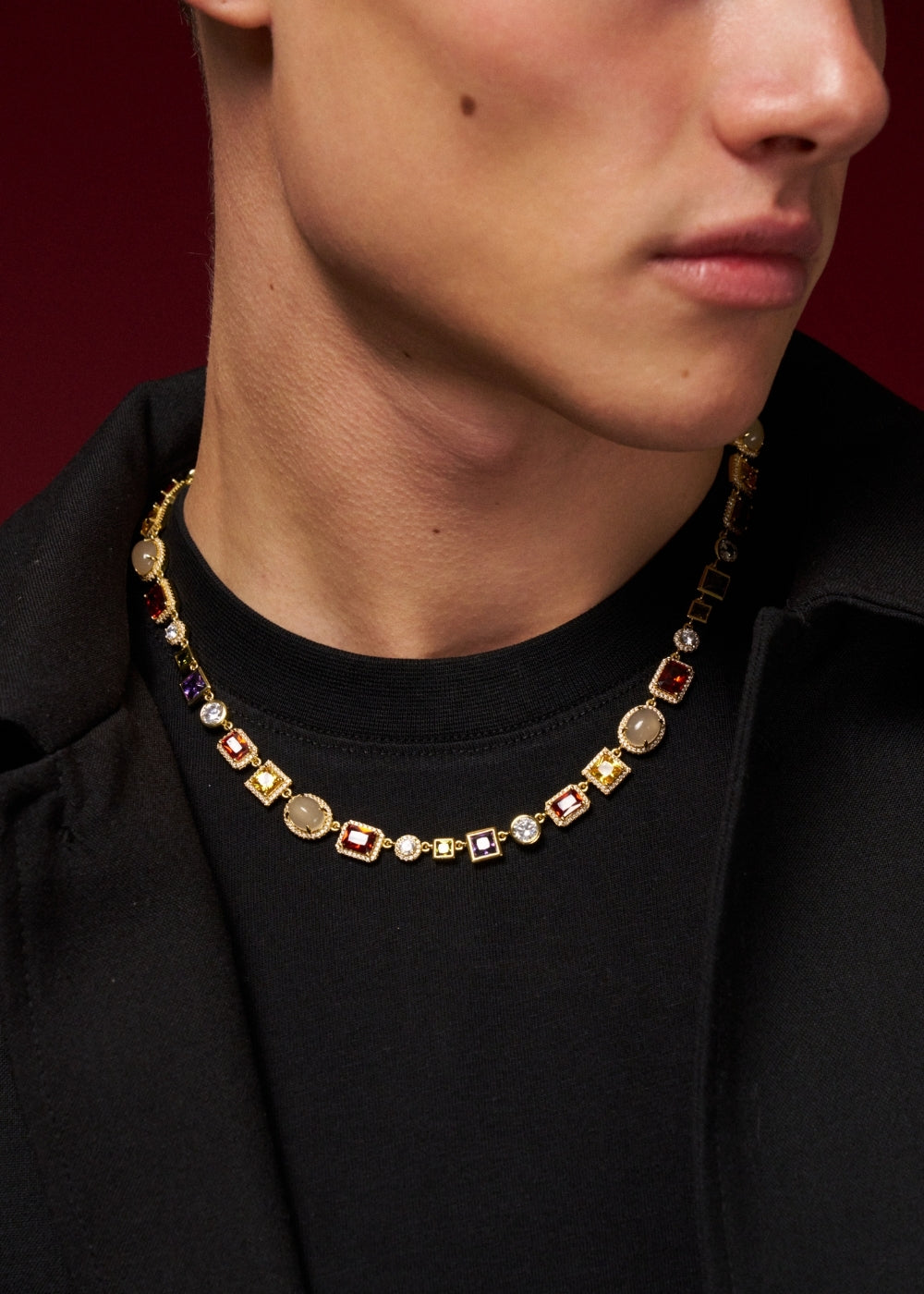
GEMSTONES
SHOP NOW


Cart
Your cart is empty
Your gifting options
Make your gift extra special with our luxury packaging options. Select a gift bag, gift box or a combination to create the perfect presentation.

Luxury Gift Box, Gift Bag & Wrapping Kit (£7.99)
Includes: CRAFTD Luxury Gift Box, Gift Bag, Tissue Wrapping Paper & Ribbon

Meaning Card (£1.99)
Add more meaning to your gift with a meaning card included with your order.
15 variations available

Gift Bag, Ribbon & Wrapping (£4.99)
Ideal for items that already include a gift box.
Includes: Premium CRAFTD Gift Bag, Ribbon & Tissue Wrapping. Doesn’t include: Luxury Gift Box.

Luxury Gift Box (£4.99)
Present your gift in our signature gift box, designed to impress before it’s even opened.
Includes: Premium gift box
Choose your option
To My Boyfriend

To My Husband

To My Soulmate

To My Son

To My Grandson

To My Brother

To My True Friend

To My Dad

A Symbol Of Strength

A Symbol Of Faith

A Symbol Of Protection

A Symbol of Luck

A Symbol Of Safe Travel

A Symbol Of Self Belief

A Symbol Of Adventure

A tennis chain is a men's necklace made from a continuous line of identically sized crystals or stones, each one held in place by tiny metal prongs. There's no visible metal link between the stones, so the chain reads as a solid ribbon of light around the neck. It's the shape that brings shine into an outfit without needing bulk to do it, and it's the piece that redefined what iced men's jewellery could look like.
Below, we'll cover what defines a tennis chain, how it's made, why it took its name from a professional tennis match, how it wears in daily rotation, and where to look inside our range if you want a chain built around light rather than metal.
Jump to:
A tennis chain is defined by its stones. A continuous row of identical crystals sits along the length of the piece, each stone held by small metal prongs that fix it firmly in place while leaving the outer face fully exposed to light. There are no visible chain links between the stones, so what the eye reads is one uninterrupted line of shine rather than a chain that happens to be iced.
That distinction matters. Most iced jewellery is a metal chain with stones added on top; a tennis chain is closer to a bracelet's worth of stones stretched into a full necklace. It's the shape that treats the stones as the piece, not the decoration.
Tennis chains have been part of men's jewellery culture since the late twentieth century and have moved between statement and refined depending on width. For the wider view of how the tennis fits alongside the eight other main chain shapes we make, our Types of Men's Chains guide covers each at a glance.
A tennis chain starts with hundreds of identical crystals cut to the same measurement, then set one by one into a slim metal spine using four (or occasionally six) tiny prongs per stone. Each prong is folded over the stone's edge to hold it fixed, and the spine flexes gently between stones so the chain drapes naturally when worn.
Three things worth knowing when you're comparing tennis chains from different makers:
Prong count. Four-prong tennis chains are the standard. Six-prong tennis chains hold the stones more securely and read a shade more classical, at the cost of a slightly heavier spine. Both are structurally sound; the choice is largely aesthetic.
Stone quality and cut. The stones on a tennis chain do the entire visual work, so cut consistency is what separates a piece that catches light beautifully from one that catches light patchily. Look for identical size and identical facet cut across every stone on the chain.
Setting quality. Cheap tennis chains have stones that sit at slightly different angles because the prongs are set unevenly. A well-made tennis chain has every stone facing the same way, and the light hits every stone at the same angle when the chain is worn.
The tennis chain takes its name from a specific moment during the 1987 US Open. Chris Evert, one of the greatest tennis players of her generation, was wearing a diamond bracelet during a match when the clasp broke and the stones scattered across the court. She asked the umpire to pause play so she could search for the bracelet, and the entire stadium waited while she found it.
The bracelet made the news the next morning, and the design, until then simply called a "diamond line bracelet", picked up a new name. Retailers started selling the same shape as a "tennis bracelet", then as a "tennis chain" when the necklace-length version followed. The name stuck globally and now covers the same shape whether you're looking at a wrist piece, a full-length necklace, or one of the diamond-set variations that grew out of the original.
None of the design changed. Only the name did.
For a full read on the wrist piece specifically, see our tennis bracelet guide.
Our tennis chain is made at 3mm in a hand-set prong construction, in silver and gold, plus a distinctive blue variant. Every stone is cut and set individually along a slim metal spine, and every stone faces the same way for consistent light-catching across the length of the chain.
The tennis chain in silver is the classic entry. Cool-toned, clear stones, and the shape that started the tennis chain category. It's the version most tennis buyers land on for a first piece.
The tennis chain in gold reads warmer. The gold spine catches its own light in addition to the stones, so the piece reads slightly less about the shine and slightly more about the finish. It also suits men whose other jewellery is already gold.
The blue tennis chain is the piece for someone who wants shine without going the obvious route. Deep blue stones set into a silver spine, reading as considered rather than flashy, and the version most first-time tennis buyers who care about not looking like everyone else end up choosing.
See the full tennis chain collection for lengths and variants.
The tennis chain is one of the more forgiving iced pieces to style because the shine is spread evenly along the entire chain rather than concentrated in a single big pendant. That balance makes the tennis work in outfits where a chunkier iced piece would feel out of place.
Solo, over a plain black or white tee, the tennis reads as a considered accent rather than a statement moment. The stones catch light against the flat cotton in a way that draws the eye without demanding it, and the outfit stays quiet enough for the shine to do its work.
Under a shirt collar, the 3mm sits neatly against the fabric without pulling. Left half-visible at the neckline, the tennis catches enough light to be noticed but doesn't disrupt a smart look. It's the iced piece that works with a jacket.
Layered, the tennis sits well below a plain heavier chain. A 4mm Cuban above and a tennis below is a stack that reads considered rather than trying too hard, because the plain chain gives the eye a resting point before the tennis's shine.
Pendants aren't the natural pair for a tennis chain. The shape is doing the work that a pendant would normally do, and hanging a piece off the middle of the tennis tends to interrupt the light along its length. If you want a pendant, wear it on a different chain and let the tennis stand solo.
Most men come to the tennis chain deliberately. It's rarely a first-chain purchase because it reads distinctly as an iced piece, and men who don't already own a plain chain tend to start with a Cuban or a Connell before they reach for shine.
For a first tennis, silver in the standard clear stones is the safest starting point. Cool-toned, familiar, and the version that works with the widest range of existing jewellery. Match it with a plain Cuban or Connell layered above and the two pieces read as an intentional pair.
For a second tennis or a gift, the blue variant is where the range gets interesting. Deep blue stones read as considered rather than flashy, and blue tennis pieces sit in a smaller category of men's jewellery, which makes them easier to buy without duplicating what he already owns.
Gold suits the man who already leans warm-tone across his other jewellery. If his watch is gold, his rings are gold, and he wears warm colors, a gold tennis chain fits the palette. If his existing jewellery is silver or mixed, silver tennis stays safer.
A tennis chain needs slightly more attentive care than a plain link chain because the stones and their prong settings need looking after alongside the metal spine. The good news: none of it is complicated, and the routine takes about the same time as caring for a metal chain.
Post-wear. Wipe the stones and the spine with a soft microfibre cloth. Skin oil and cologne dull the stones' facets over time; a ten-second wipe removes them.
Every couple of weeks. Warm water, a drop of mild dish soap, five minutes soak, then a very soft brush worked gently along the length. Rinse thoroughly to make sure no soap sits between the prongs, and pat dry with a lint-free cloth.
Check the prongs monthly. Run a soft cloth along the length of the chain; if it snags on any single point, that prong may have lifted slightly. A jeweler can re-set it in a few minutes, but only if you catch it early. A missed lifted prong is how stones fall out.
Water and sweat. Tennis chains handle everyday water, sweat, and swimming without issue. Chlorinated pool water and salt water are the exceptions. Both accelerate wear on the setting, so rinse the chain in fresh water and pat dry after either.
Storage. Flat, in its own soft pouch or a dedicated tray section. Never store a tennis chain tangled with other jewellery; the prongs can hook on other chains and lift, weakening the setting over time.
A tennis chain is a men's necklace built from a continuous line of identically sized crystals or stones, each held in place by tiny metal prongs. There are no visible chain links between the stones, so the piece reads as one uninterrupted line of shine on the neck.
The name comes from a 1987 US Open match, where Chris Evert's diamond bracelet broke on court and she asked play to be paused so she could find the stones. The bracelet made the news, and the shape of jewellery she was wearing picked up the name "tennis bracelet" and later "tennis chain" for the necklace version.
No. A tennis chain is a continuous row of stones with no visible chain between them; an iced Cuban is a Cuban chain with stones set into the links, meaning the chain shape is still visible underneath. Different underlying structure, different visual language.
Both wear them. Historically the tennis was a women's bracelet before it moved into men's jewellery, but for the last thirty years it's been worn across the board. Width and stone size decide how the piece reads more than any general rule.
3mm is the everyday men's width, the version most men land on, and the width that catches light clearly without becoming a statement piece. Slimmer widths exist and tend to read closer to women's jewellery; wider tennis chains (4mm and above) move firmly into statement territory.
Most men wear a tennis in the 50 to 55cm range. Shorter keeps the chain closer to the throat, where the shine reads highest; longer drops the chain onto the chest, spreading the shine across more of the outfit. Between the two, go longer if you want the tennis to be seen; shorter if you want it to sit as a considered accent.
You can, but it's not the natural pair. The tennis is already doing the visual work a pendant normally does, and hanging a piece from the middle of the chain interrupts the line of light along its length. If you want a pendant, wear it on a separate chain.
Well-set ones very rarely. A properly set tennis chain holds every stone in four to six tiny prongs, and if the prongs are set evenly and firmly, the stones will stay put through daily wear. Where stones do fall out, it's usually because a prong has lifted over time and gone unnoticed. Monthly prong checks catch this before it becomes a problem.
They read casual smart. The tennis is one of the few iced pieces that works with a jacket without looking overdressed, and it also works over a plain tee without looking underdressed. Its versatility is part of the reason it survived past the moment that gave it the name.
Look at the stones under bright light. On a well-made tennis chain, every stone faces the same way, reflects light identically, and sits at exactly the same height along the chain. Cheap tennis chains have stones set at slightly different angles, which shows visibly the moment the chain moves under the light.
If you're new to the tennis chain, the 3mm in silver is where we'd start. Cool-toned, classic clear stones, and the version most men reach for first.
For the wider view of how the tennis compares to the other main chain shapes side by side, our Types of Men's Chains guide walks each one through. The full chain collection is here if you'd rather browse everything at once.
This guide was put together by the CRAFTD team, from years of fitting, sizing, and shipping tennis chains to men who want their jewellery to catch light.
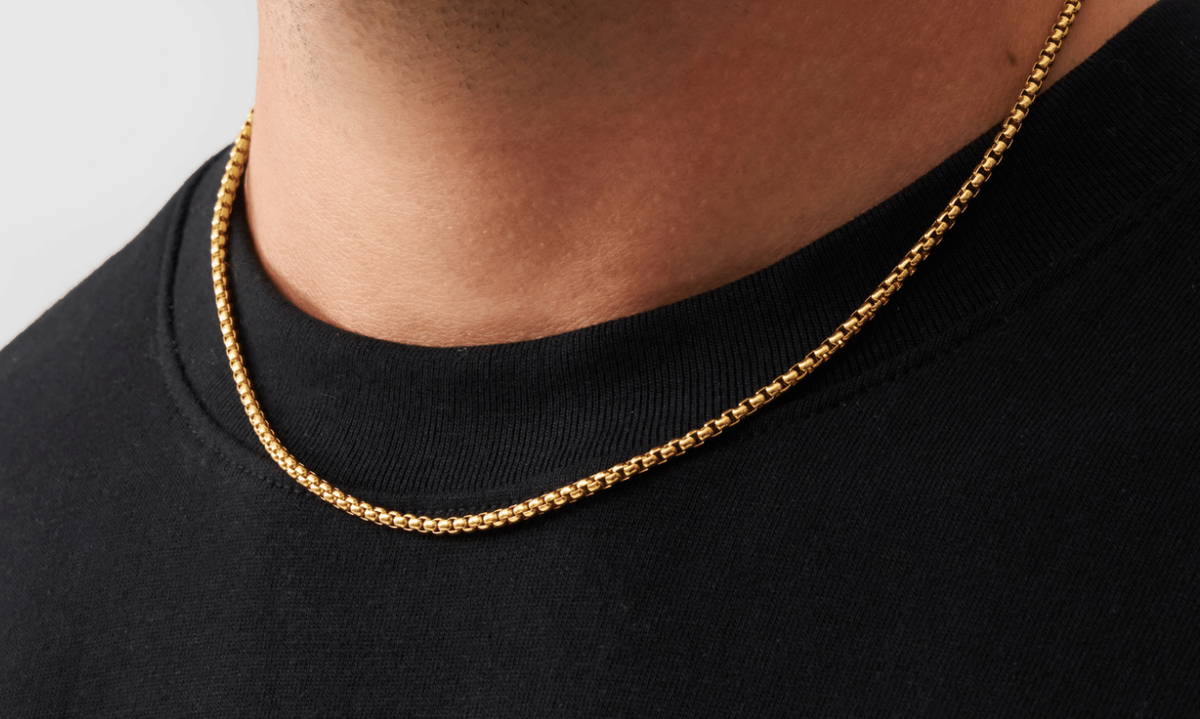
What Is a Box Chain? Round vs Square Box Chains
Defined by its tightly connected geometric links, the box chain has a clean, understated look that sets it apart. Here’s how it’s made, the difference between round and square styles, and how to we...
Read more
What Is a Diamond Chain? What the Term Really Means
A diamond chain isn’t one specific chain style. It’s a broad term covering chains set with diamonds or diamond-look stones. Here’s what the name really means, the different styles available and how...
Read more

Leave a comment
This site is protected by hCaptcha and the hCaptcha Privacy Policy and Terms of Service apply.