



Balogun's Beads, Kane's Ring, Yamal's Chains: The World Cup's Biggest Jewellery Moments
The 2026 World Cup has quickly become football's most jewellery-visible tournament in years. Watch the images from the group stages through to the knockouts, and jewellery keeps finding its way into places it wouldn't have a few years ago.
Managers wearing chains on the touchline. Substitutes with pendants over their bibs. Players in full pieces on the team coach, in the tunnel, at press conferences and back on the bench between halves. Coaching staff. Medical staff. The second row of the dugout.
Everywhere the game shows up, the jewellery is there too.

It's bigger than any one player now. It's becoming part of how this World Cup looks.
The goals have made the highlights, but the jewellery keeps finding its way into the pictures. And halfway through the tournament, it already feels like the most visible World Cup for football jewellery in memory. Three moments have carried most of the conversation.

Balogun's Rosary Beads
Folarin Balogun scored, then was sent off. It was one of the tournament's more dramatic individual performances: a goal at one end, a red card at the other.
The red card quickly became one of the tournament's biggest talking points. But the image that stayed with people wasn't the challenge. It was Balogun walking back onto the touchline with diamond earrings in his ears and rosary beads draped across his chest.

Folarin Balogun on the touchline in rosary beads and diamond earrings after his red card.
Rosary beads have always been about something personal before they've ever been about style. Under the old interpretation of Law 4, they belonged in the tunnel, the interview or the walk back to the dressing room. This summer, they were back in the frame almost as soon as Balogun walked off.
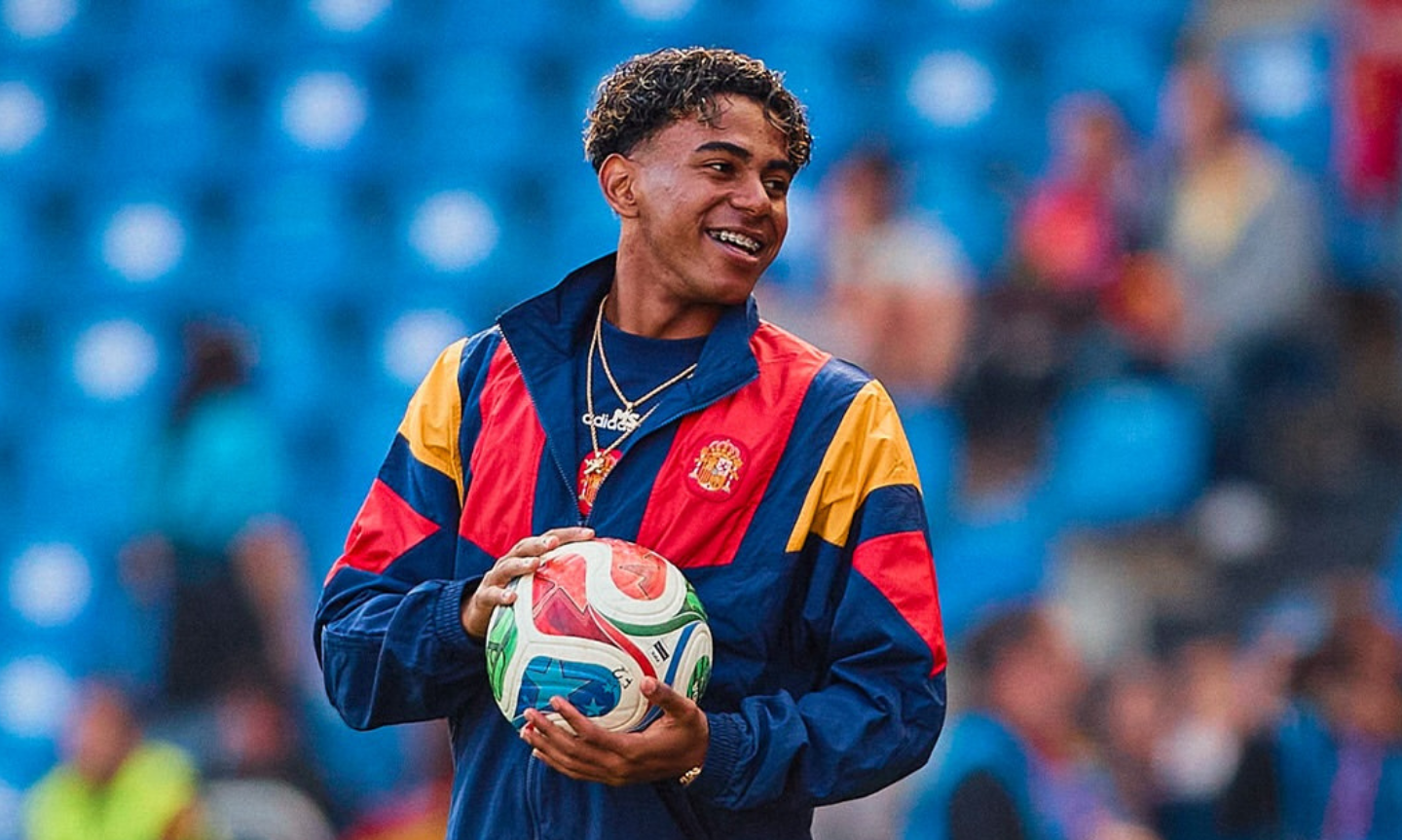
Lamine Yamal's Chains
Lamine Yamal offered a different version of the same story.
Substituted at half-time, he completed his recovery work before returning to the bench for the second half. His chains were already back around his neck. It wasn't the first time, either. Throughout the tournament, Yamal has repeatedly been spotted wearing jewellery whenever the football stops.

For players of Yamal's generation, jewellery isn't something reserved for arrivals and departures. It's part of how they present themselves. The ninety minutes are the exception. The moment they're over, the chains go straight back on.
What Most People Watching Don't Know
Most people watching this World Cup won't have noticed, but the rule itself has quietly changed.
In February, IFAB approved a new version of Law 4. On paper, it looks like a small wording change. In practice, it's much bigger: "Accessories are permitted as long as they are not dangerous and are safely and securely covered. Dangerous items must be removed and not taped or covered."
A blanket ban became a risk assessment.

The new laws took effect from July, with FIFA confirming they'd apply at this World Cup from the first whistle. That makes this the first World Cup to be played under the new wording.
IFAB hasn't published a list of exactly what's in and what's out, which is why referee forums have been busy debating it since February. Every item now comes down to the same judgement: is it dangerous, and is it safely and securely covered? The referee still makes that call in the moment.
But the direction of travel feels pretty clear.
It also makes the question we asked earlier this summer feel a little less hypothetical: should jewellery be brought back to the pitch? The rule hasn't thrown the gates open, but it has started to recognise something football culture has known for years: these pieces still matter.
Harry Kane's Ring
Then there's Harry Kane.
He's taped his ring finger for years. After scoring, he often kisses it.
It's a tribute to his wife, Kate. Whether the wedding ring itself is underneath the tape or safely removed before kick-off, the gesture never changes. Neither does the meaning.

Harry Kane with his ring finger taped at the 2026 World Cup, a tribute to his wife Kate.
Kane's taped ring finger became one of the tournament's quieter talking points, particularly after England's victory over Mexico, when his goal sent them into the quarter-finals.
Under the old wording of Law 4, taping over jewellery wasn't officially recognised. Under the new wording, "safely and securely covered" is now written into the law. A taped wedding ring, done properly, sits much closer to what the law allows than it ever did before.
It's a small technical change. But it's also this tournament's clearest example of how football's thinking is evolving. Every time Kane kisses that taped finger, he's carrying the meaning of the ring onto the pitch. And now, quietly, the law has started to move in the same direction.

Football is still one of the strictest places in sport for jewellery. But this World Cup has shown that the jewellery keeps finding its way into the pictures.
Because the meaning was never something a rulebook could decide anyway.

Your next reads
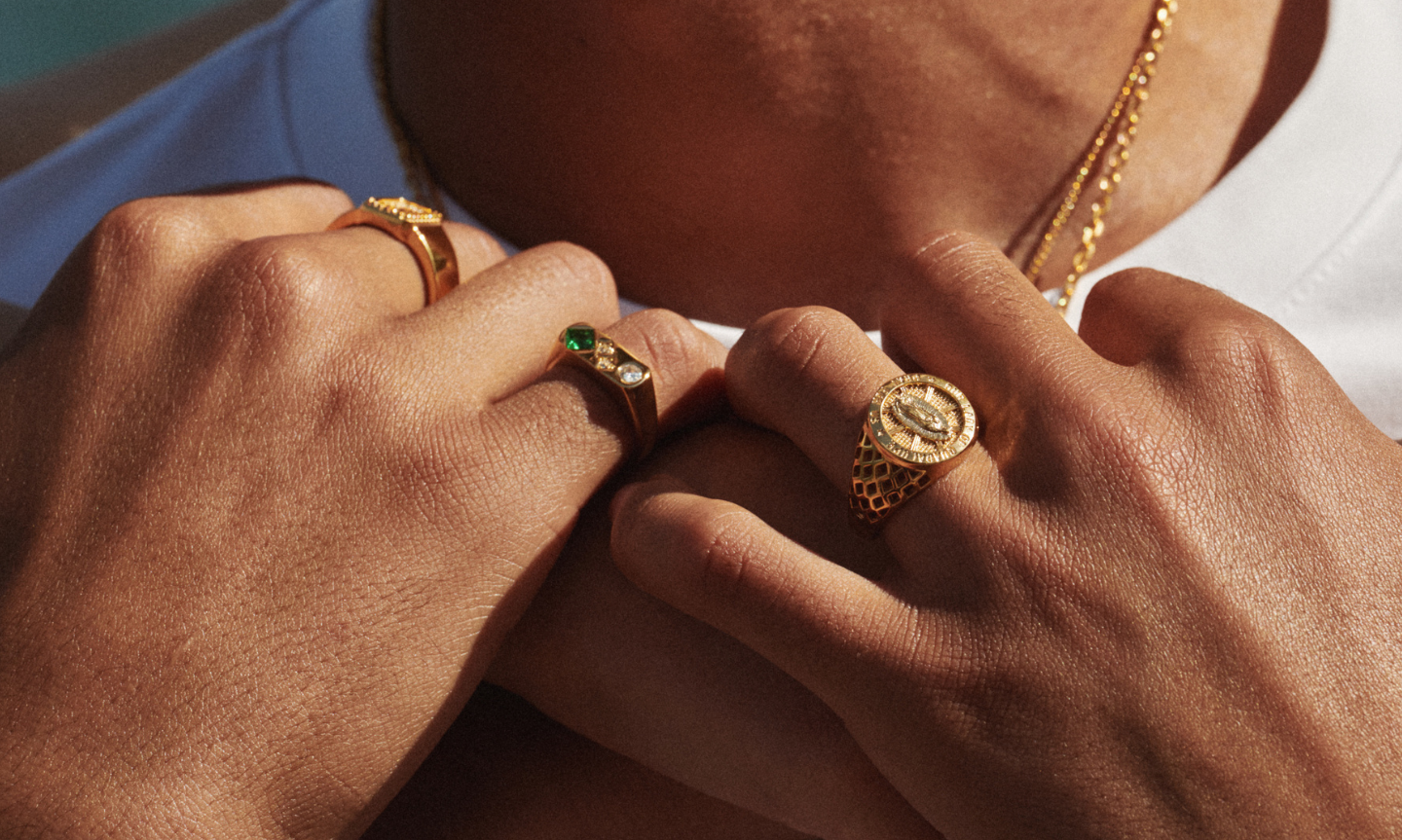
Love Island 2026 and the Return of the Men's Pinky Ring
Two Love Island islanders, two pinky rings, one quiet trend. Here's what a men's pinky ring means, why the signet ring sits so well on the little finger, and how to wear one.
もっと見る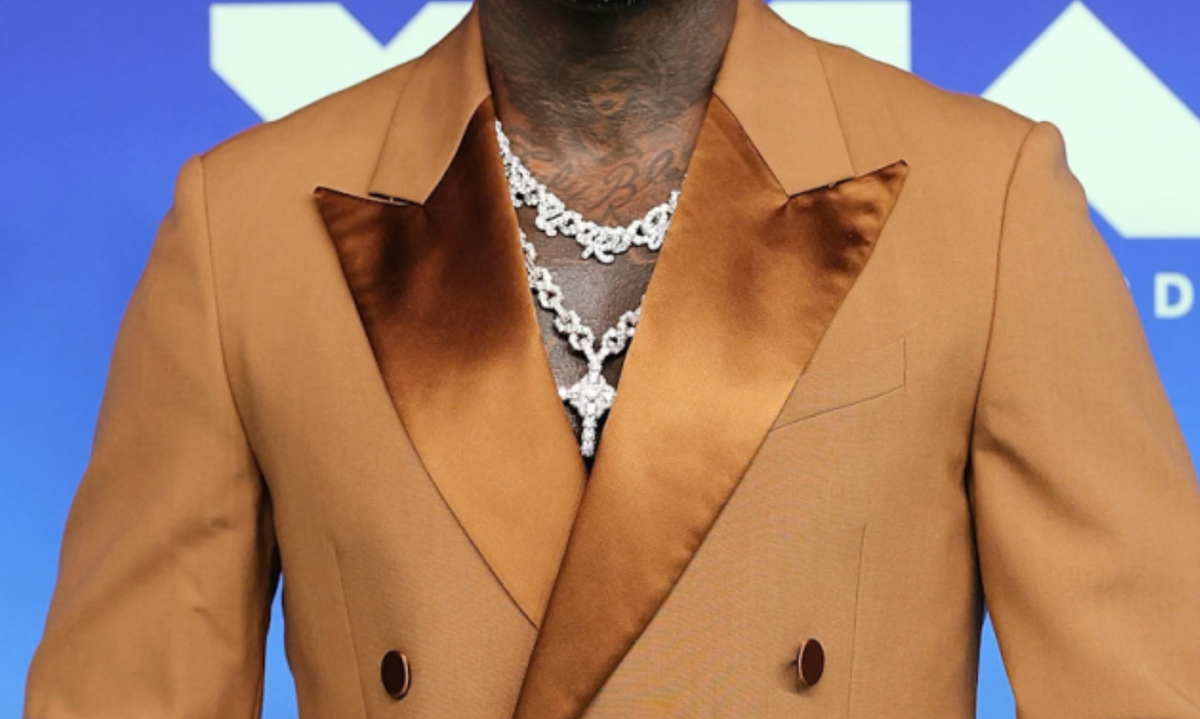
Gunna's Diamond Cross and Shaboozey's Silver: The Jewellery at the 2026 VMAs
Ice or silver? At the 2026 VMAs, Gunna let one diamond cross carry the look while Shaboozey ran silver through everything. Here's what they wore, and how to get either look yourself.
もっと見る
コメントを書く
このサイトはhCaptchaによって保護されており、hCaptchaプライバシーポリシーおよび利用規約が適用されます。